
Fellow Bios

-
Andrea has interests in policing links to the military, protest, impact on LGBTQ health, racial and surgical inequities, and harm reduction.
-
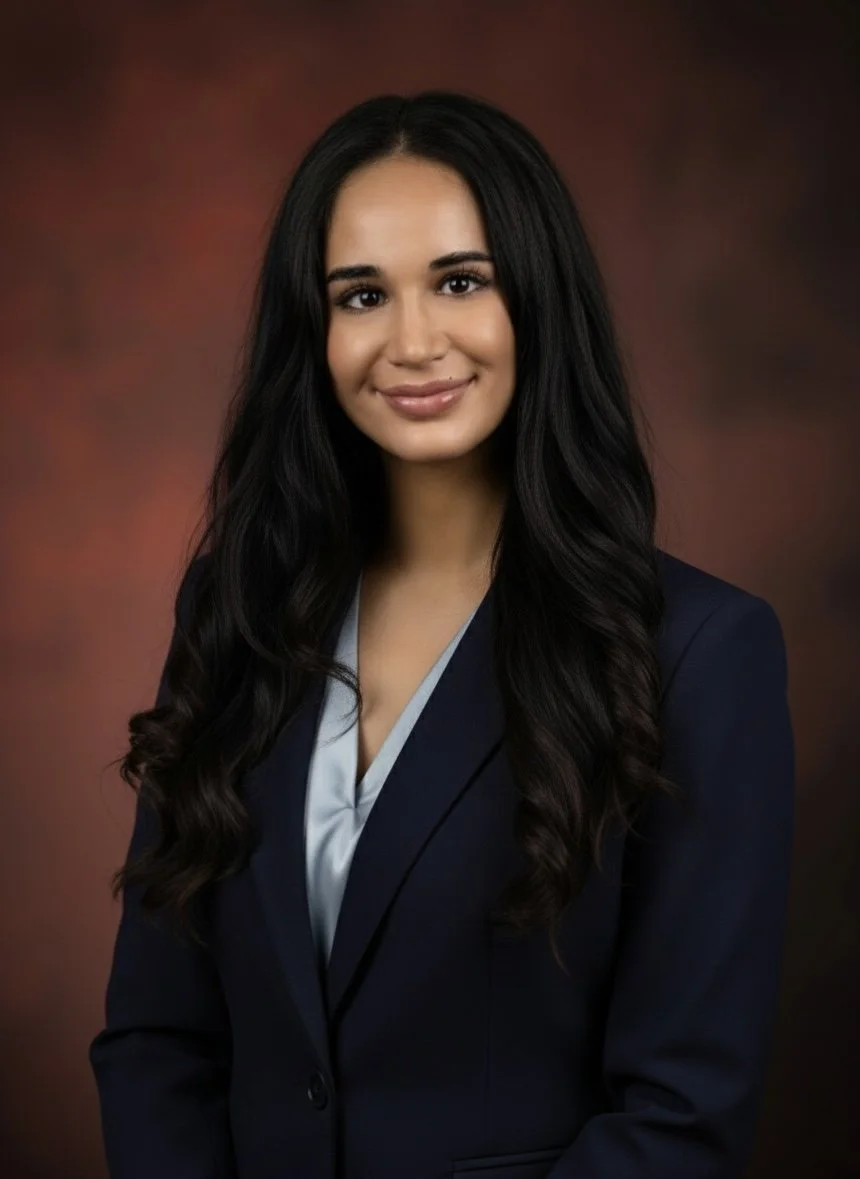
Taylor Nelson is an MPH candidate at Emory University where she studies Behavioral, Social, and Health Education Sciences with concentrations in Mental Health and Human Rights. Taylor's work is rooted in confronting the health harms of the criminal legal system and advancing carceral health equity. Her current research examines cultural barriers to mental health care for Black women in Georgia prisons, contributing narrative-based evidence to dismantle cycles of neglect and inequity within carceral settings and illuminate the realities of the human rights conditions within these facilities. Taylor is committed to political education, collective action, and narrative transformation to prevent carceral harms and human rights violations. Across her work, she integrates mixed-methods research, evaluation science, and principles of neuroarts and storytelling to advance health equity for marginalized communities. She plans to use her experiences as a SCOOP fellow in future opportunities related to health communications, knowledge translation, and policy development to better the lives of communities often overlooked or silenced at the margins.
-
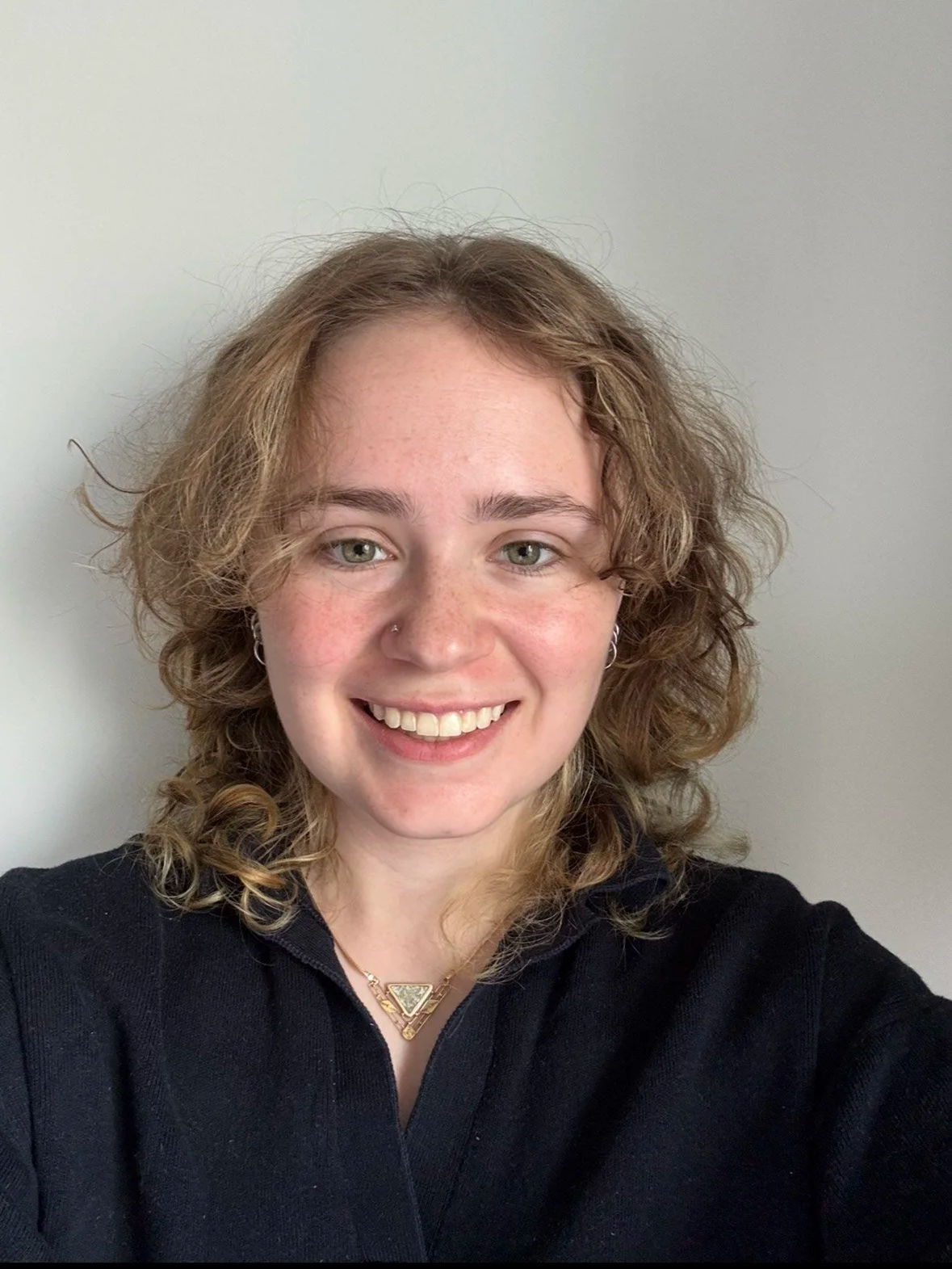
Talia is a first year medical student interested in the ways in which the carceral system impacts the relationship between communities and healthcare workers. From volunteering in needle exchange/harm reduction and with the Trevor Project, they have observed the ways in which medical mistrust is intrinsically linked with the allyship between medical and carceral institutions. They are interested in the role of medical students in organizing for social change.
-
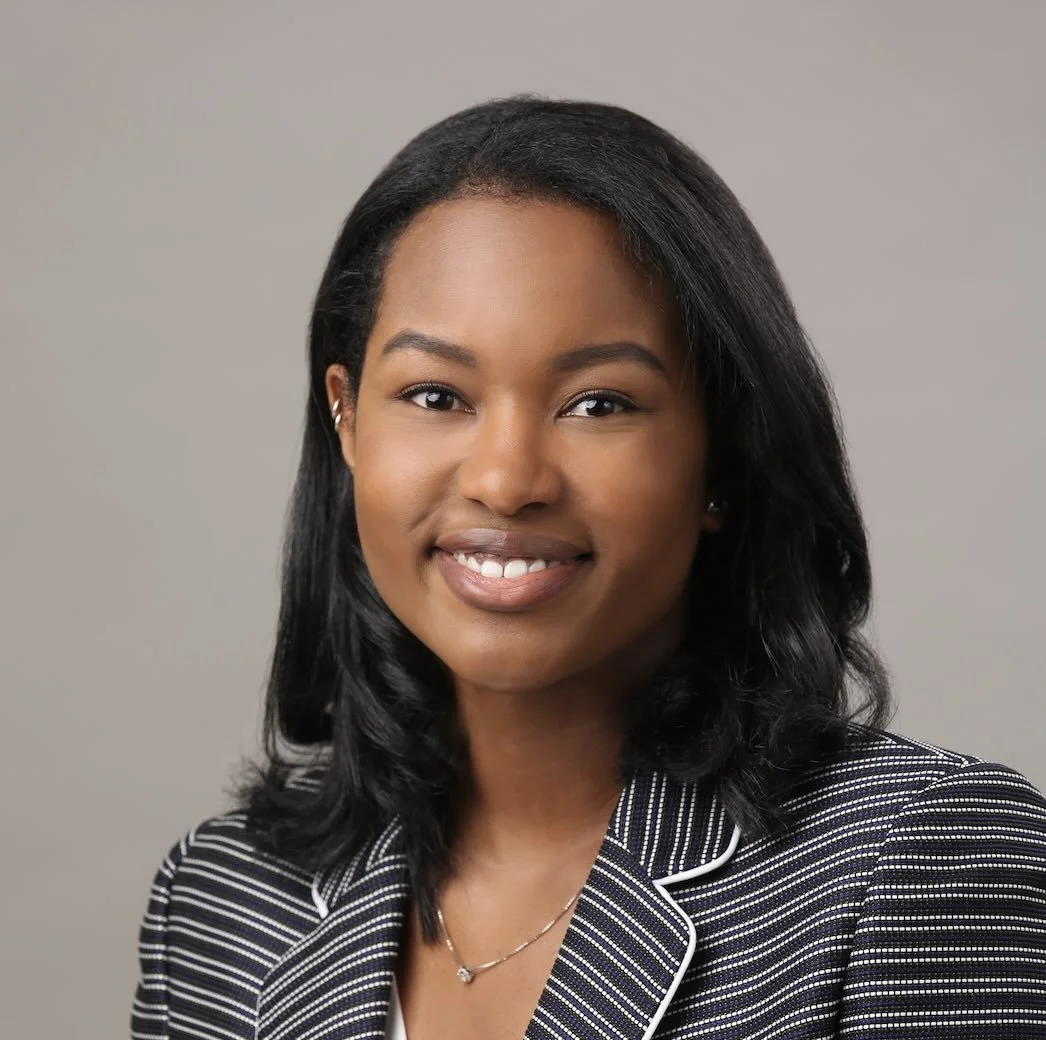
Arielle Lawson is a fourth-year medical student interested in how the criminal legal system shapes health across the lifespan. Her interest in the intersection of health and the carceral system began while tutoring and studying alongside incarcerated students in New Jersey prisons, where she witnessed how deeply punishment and carceralization are intertwined with social, environmental, and health outcomes. Arielle is passionate about translating academic work into accessible tools that support community organizing and collective liberation.
-
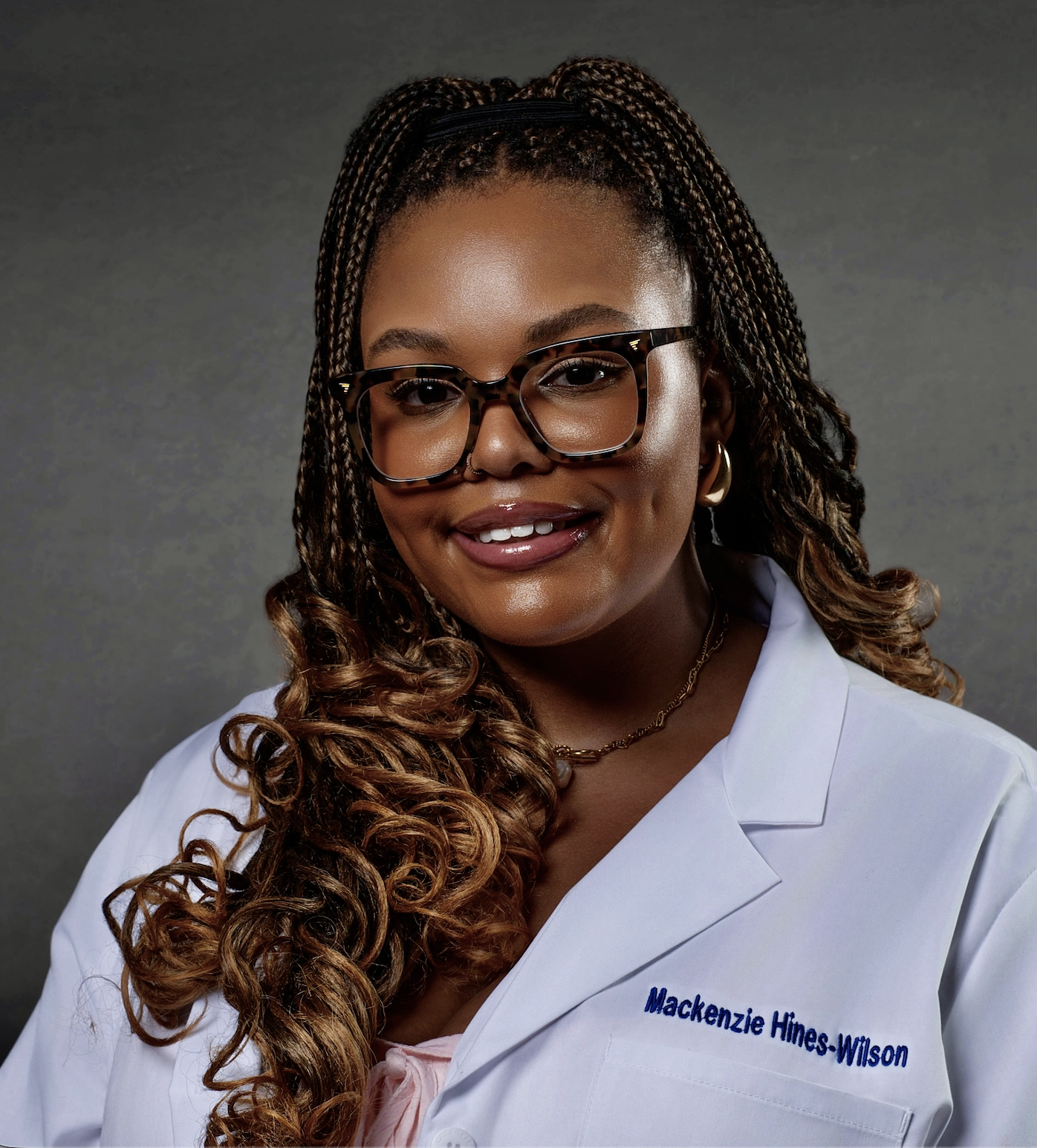
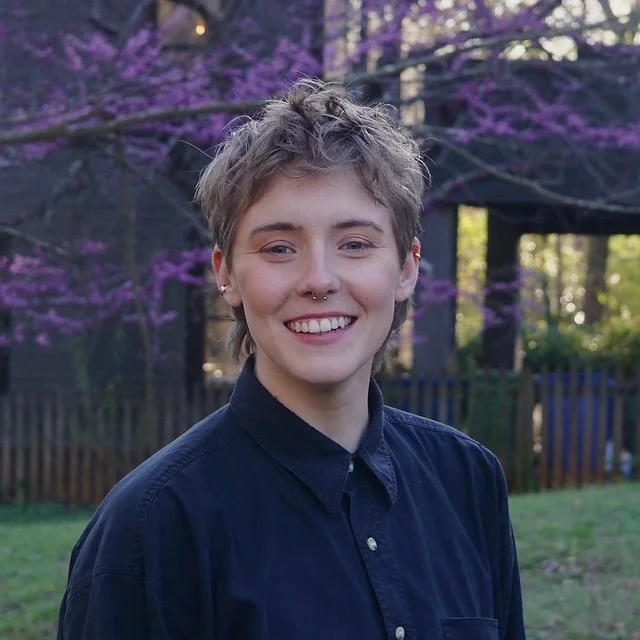
Mackenzie is an MD/MPH student training at the intersection of medicine, public health, and health equity. Her academic and professional interests center on care for marginalized women and children. Through research and community-based engagement, she has examined ethnoracial disparities in mental health outcomes among legally-involved youth and the effects of restrictive policy environments on reproductive health care, work that informs her commitment to building a more just and equitable health care system. She aims to work with youth impacted by the criminal legal system to learn from their experiences and deepen her understanding of how structural factors shape health and access to care. Through SCOOP she hopes to educate others regarding trauma-informed and culturally responsive care of patients harmed by the criminal legal system in order to better support their health needs within and beyond clinical settings.
-
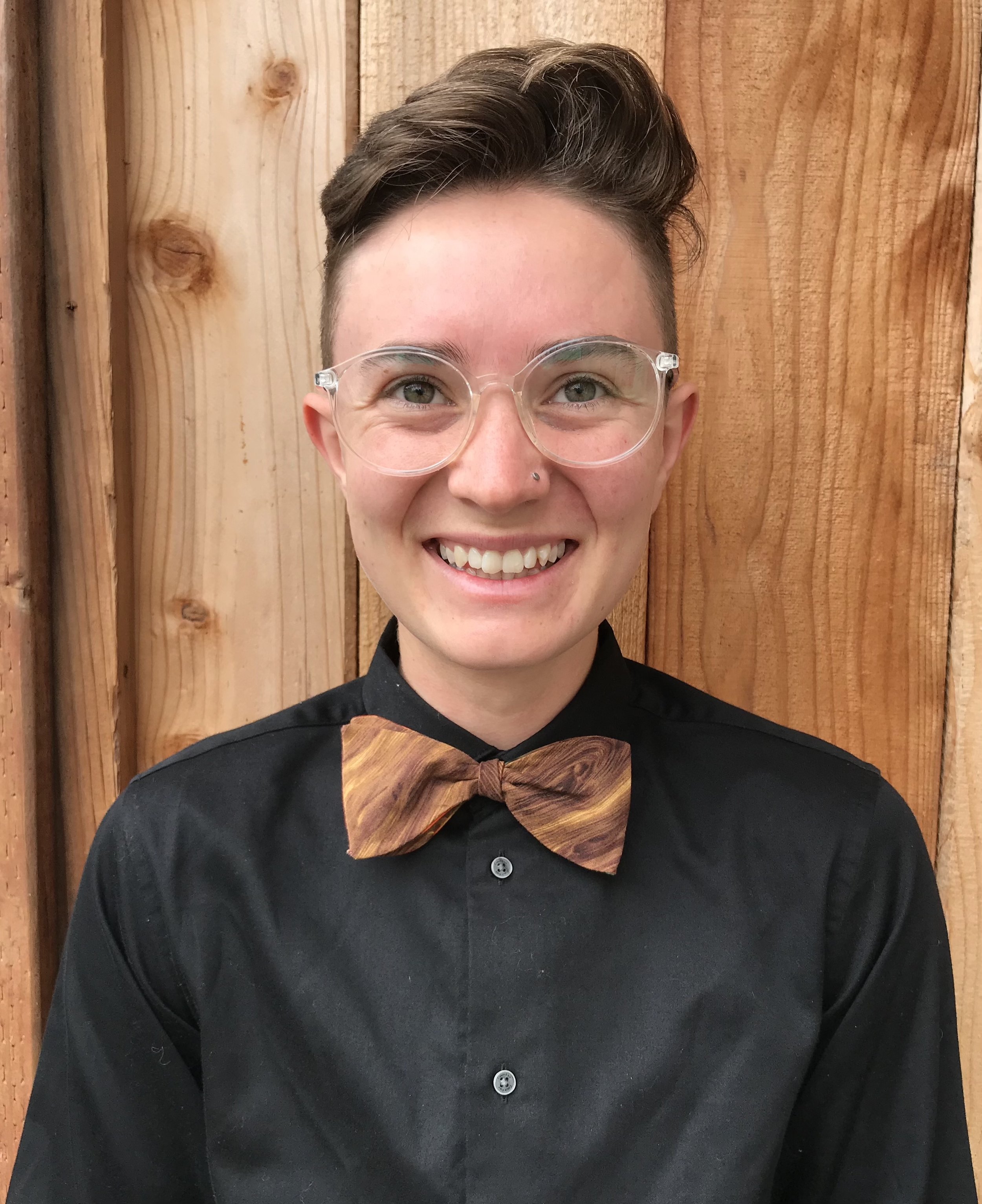
Grace is a 2nd year medical student interested in how healthcare workers can leverage sociopolitical power to advocate against systemic oppression. They are specifically focused on policing and incarceration as socially normalized racism and the impacts on health and wellbeing. The health of individuals and communities is primarily determined by factors outside of hospitals and clinics, therefore it is our responsibility as healthcare workers to identify sources of harm, speak out against them, and imagine alternatives. They are curious about interdisciplinary organizing for social change and feel most energized when collaborating with other community orgs to fight against systems of oppression.
-
Kusum is interested in exploring concepts related to policing alternatives and abolition, gendered and racial discrimination, mental health crisis intervention, structural violence

-
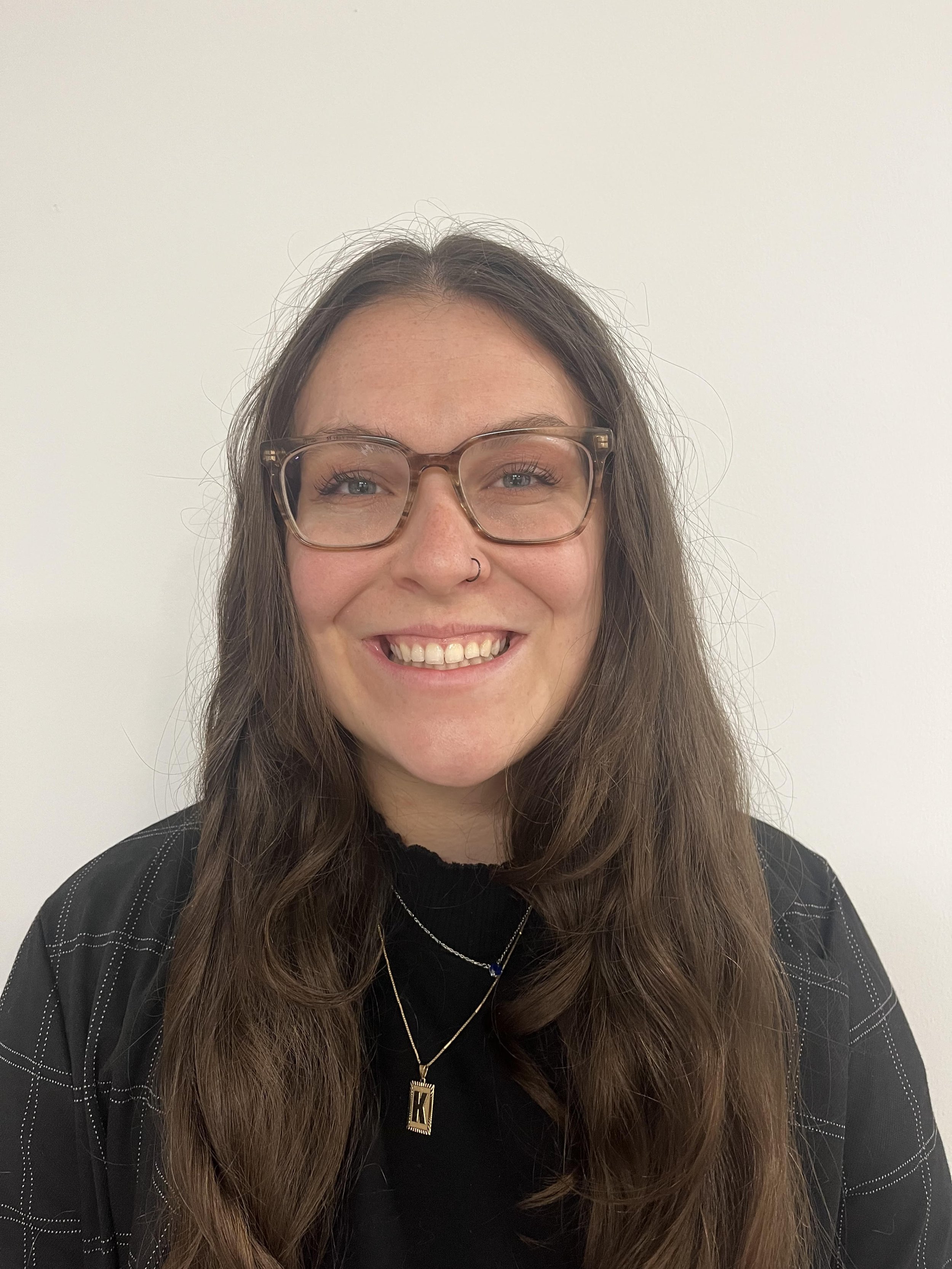
Stephen’s journey through medical training has been sustained by a passion for health equity and advocacy. He has come to understand that health cannot be separated from story: each patient’s lived experience carries intricacies that reflect the larger structures shaping our health landscape. This drives his ongoing interest in creating spaces for narrative sharing. He has become critically aware of the impacts that policing and incarceration have on Black and brown communities. His experiences have shown that achieving equity requires more than patient care and that true liberation demands the dismantling of the oppressive systems that harm our communities in the first place. He joined SCOOP because he wants to be part of that work, here in Atlanta and across the U.S.
-
Karissa has interests in the criminalization of substance use disorders, harm reduction, incarcerated women, criminalization and incarceration of pregnancy.

-
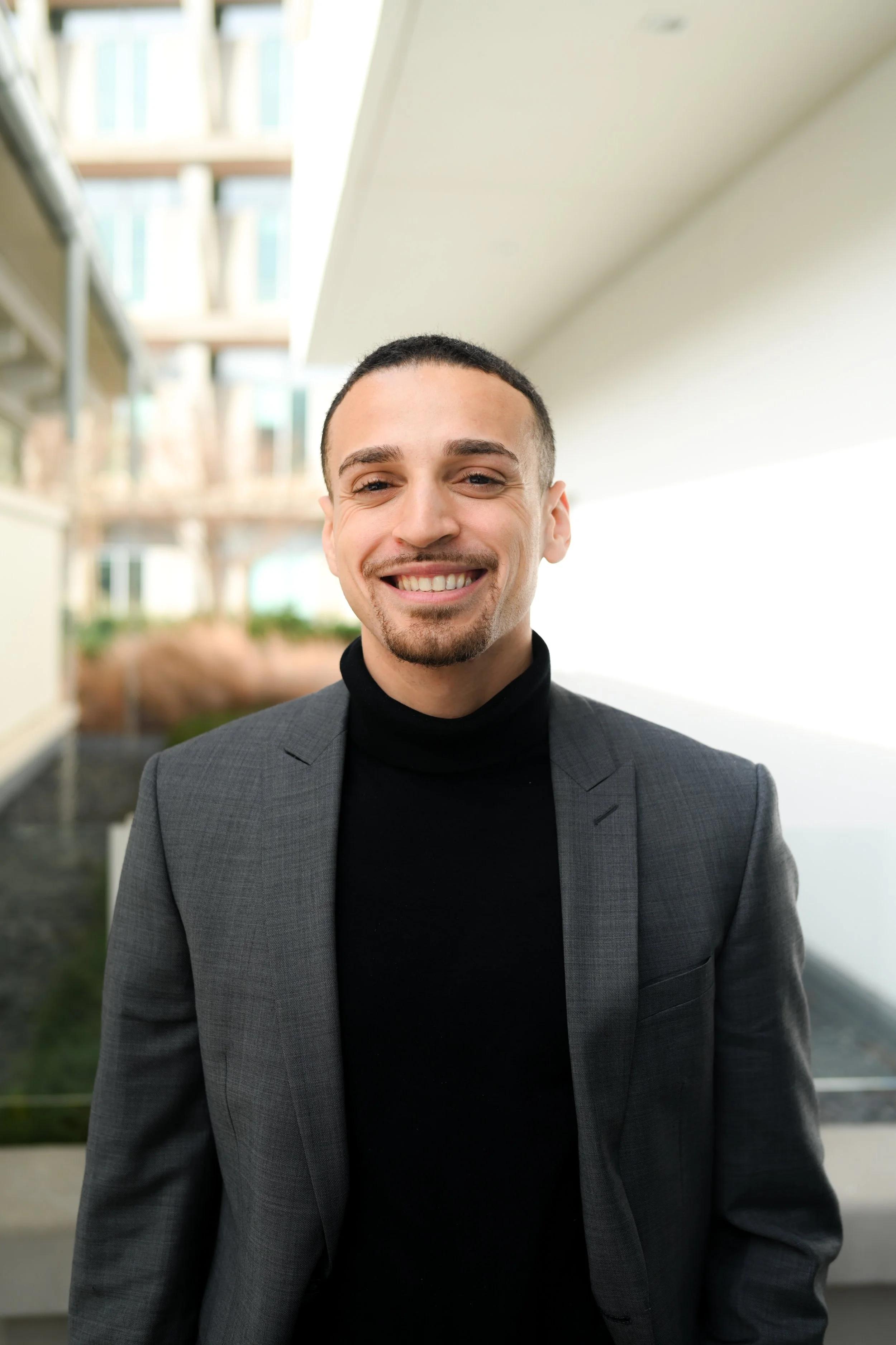
Marin is a 2nd year medical student interested in using their position as a medical provider to educate and improve the healthcare provided to people who are incarcerated. They believe that improving healthcare starts before a patient enters the hospital - healthcare systems should address the housing, food, mental health, access and connection needs of those in the community. With a background in public health, they are committed to shifting their care model to center the social determinants of health when providing care. They believe that communities will be safer by using alternatives to policing that address these needs directly. Given the impact of adverse childhood events, they believe in eliminating juvenile incarceration and instead using reformative justice and peer mentorship to address harm. They are passionate about advocating for and creating policies to protect pregnant people and trans people who are incarcerated. They are energized by using political education, advocacy and organizing to make collective action toward reconstructing a system that more holistically addresses the health needs of their patients.
-
Sean is an MD/MPH candidate whose academic and professional journey reflects a deep commitment to addressing structural stigma and systemic inequities that affect health outcomes for families involved with the criminal legal system. His perspective has been profoundly shaped by his own family’s experiences, reinforcing his belief that punitive structures cannot provide care while perpetuating trauma. With a multidisciplinary background, Sean has seen how systems consistently fail under-resourced communities and exacerbate harm. He is committed to reimagining community and care beyond our country’s carceral framework, particularly for individuals affected by mental illness and substance use disorders. Sean is especially passionate about supporting Black fathers who have been incarcerated. He recognizes the multiple layers of oppression that prevent them from accessing care and the ripple effects this has on family relationships. Through research, advocacy, and community engagement, Sean seeks to dismantle structural barriers and improve health outcomes for historically marginalized communities.
-
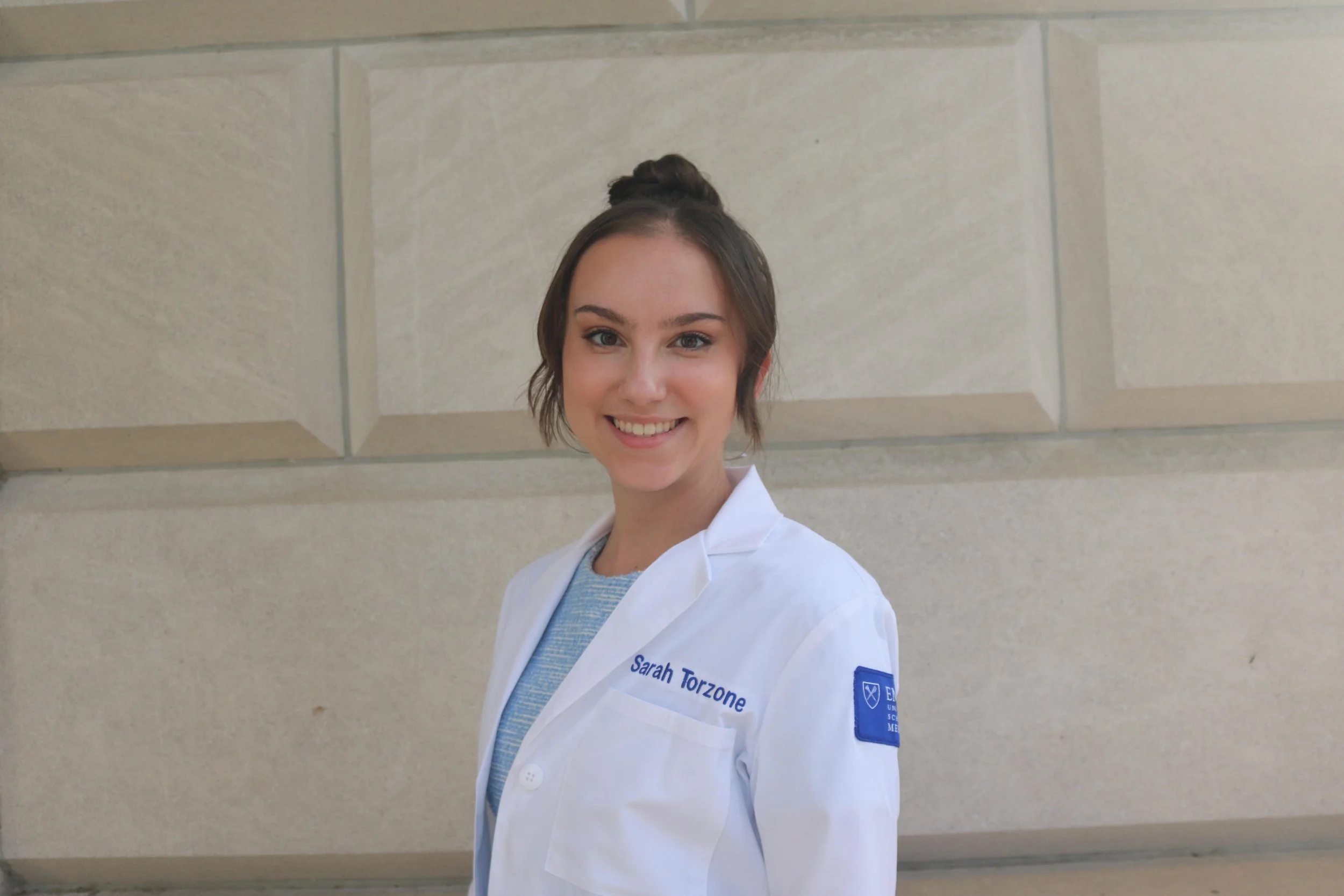
Sarah is an MD/PhD student with a commitment to dismantling systems of harm through both research and advocacy. Prior to medical school, she was a paramedic, often caring for patients in custody. In this role, she witnessed firsthand how health is negatively impacted by incarceration and how police presence in health settings interferes with the integrity of the patient-provider relationship. She is interested in community based partnerships to address systemic injustices. She currently works with Women on the Rise to educate others on the neglect incarcerated women in Georgia prisons and jails endure. She aims to educate healthcare professionals whose roles intersect with the system to promote safer, more equitable healthcare. As a future physician-scientist, she believes that data-driven solutions should be informed by the communities they are intended for and that health research can be positioned to dismantle oppressive policies.

-
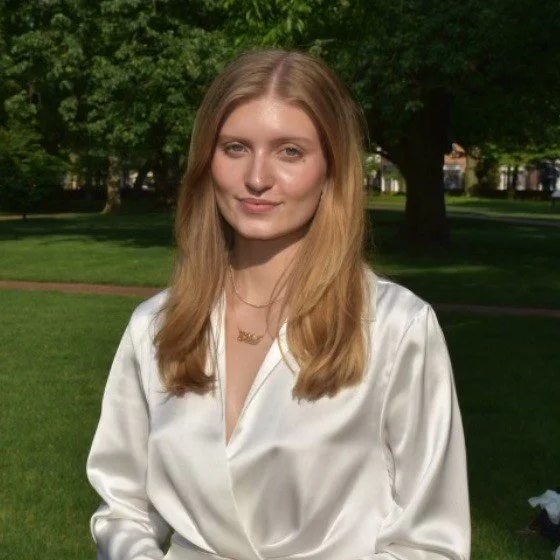
Esme is a first-year Neurology resident. Her commitment to addressing health inequities and injustices within the carceral system is grounded in her early-career HIV/AIDS community health work. Her political advocacy and organizing for incarcerated and formerly incarcerated individuals have focused on (1) expanding COVID-19 vaccine access in Washington, D.C., (2) improving access to medication-assisted treatment for opioid use disorder in North Carolina, and (3) reducing barriers to routine medical care for housing-unstable populations in multiple settings. She is particularly interested in improving access to high-quality healthcare for incarcerated individuals living with chronic illnesses through direct patient care, graduate medical education initiatives, and legislative advocacy.
-
Ella is a third-year medical student who is pursuing a career in healthcare with a passion for preventing disease through research and advocacy. Since participating in the Policing, Incarceration, and Health Curriculum in her first year of medical school and felt called to work with the organization to educate the wider healthcare community and prevent carceral harms. Through her experience in medical training and her research in preventing firearm-related harms, she has seen firsthand how powerful early intervention and community change can be when it comes to improving the health of the patient populations.