
Senior Fellow Bios
-
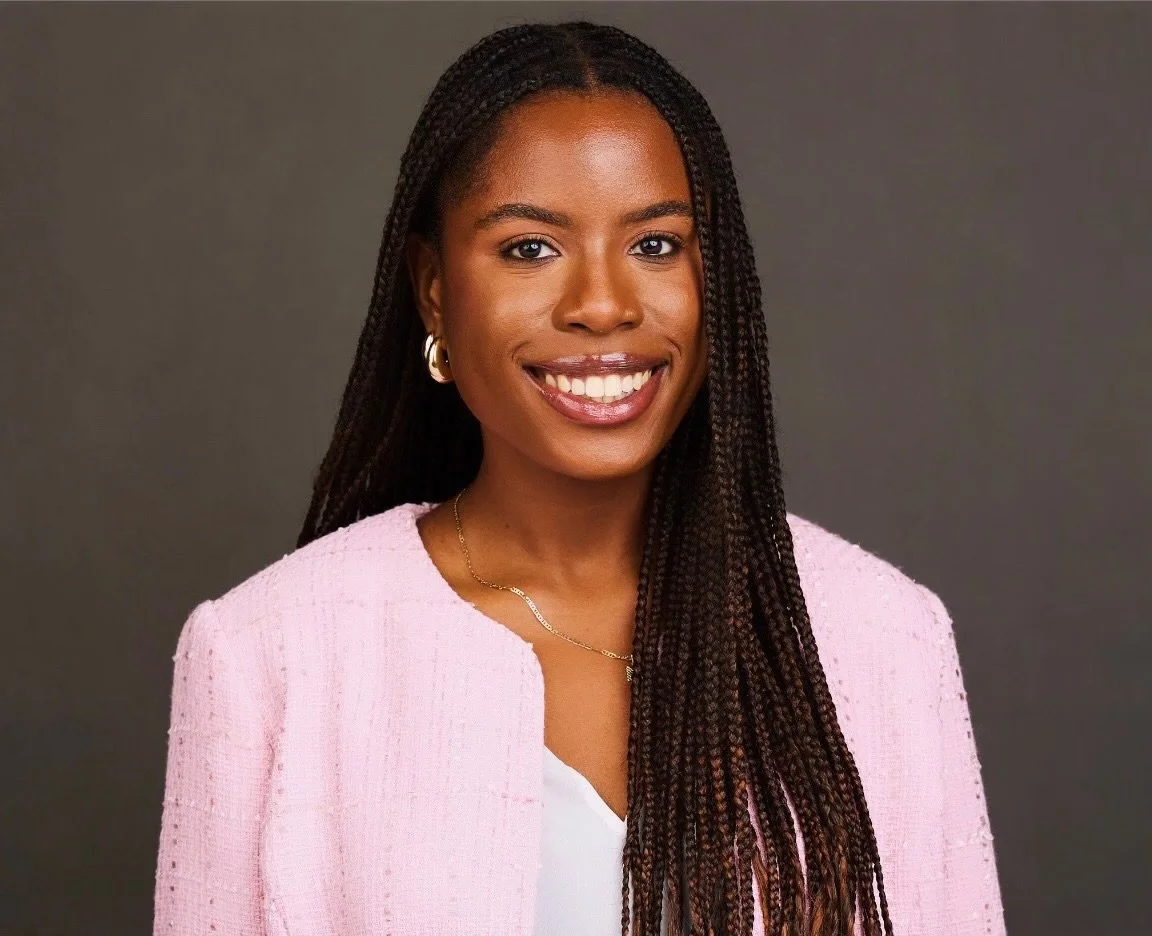
Zizi Ohamadike is a 3rd year medical student interested in addressing the origins and health consequences of juvenile incarceration, as well as protecting the health of pregnant patients who are currently or formerly incarcerated. She is deeply passionate about educating fellow health professionals about the importance of preventing early exposure to the criminal legal system. By promoting prevention and advocating for patient-centered change, she aims to advance health and well-being across the life span. As a future physician, she recognizes that caring for patients cannot be confined to the walls of hospitals or clinics. Health is profoundly shaped by policies that perpetuate harm, particularly within the criminal legal system. Contact with this system often results in lasting physical and mental health consequences that undermine both access to and the effectiveness of modern medicine. For this reason, physicians must be educated on the health impacts of the criminal legal system so they can confront these harms through clinical care, advocacy, and systemic change.

-
Vida is a third year medical student whose interests focus on cardiovascular and women's health and their intersection with manufactured socio-political determinants of health. She became involved in SCOOP with the goal of contributing to a goal of creating a more informed body of healthcare workers regarding the harms of carceral systems. She is constantly looking for ways to expand her knowledge on how best to advocate for different types of underserved communities. Her commitment to medical education drives her to share what she has learned with peers and future colleagues.

-
Shubha’s understanding of healthcare has been shaped by her own experiences navigating the healthcare environment, as a first-generation American, a person of color, and a trauma survivor. Her time in Baltimore and Atlanta has made her privy to the social injustices shaping the healthcare system. In Baltimore, she worked with incarcerated individuals and their families to pursue educational opportunities. Now, in Atlanta, she witnesses the interactions between incarceration and healthcare, firsthand. Progressing through medical school has made her increasingly aware of the disproportionate impact policy has on immigrants, children, and black and brown patients. As a future physician, she believes it is important to go beyond the hospital or clinic, because care begins at prevention and takes place in the community. She joined SCOOP to support this vision.

-
Supriya is passionate about health justice for incarcerated patients with a special interest in pregnant patients and women involved in the carceral system. This work is important to her after seeing the dehumanization and violence people in the carceral system face in healthcare settings. She aims to advocate for justice both at a hospital and legislative level. Supriya teaches on the rights of incarcerated patients in the hospital and steps students and providers can take to ensure the healthcare they receive is respectful and maintains their dignity.
-
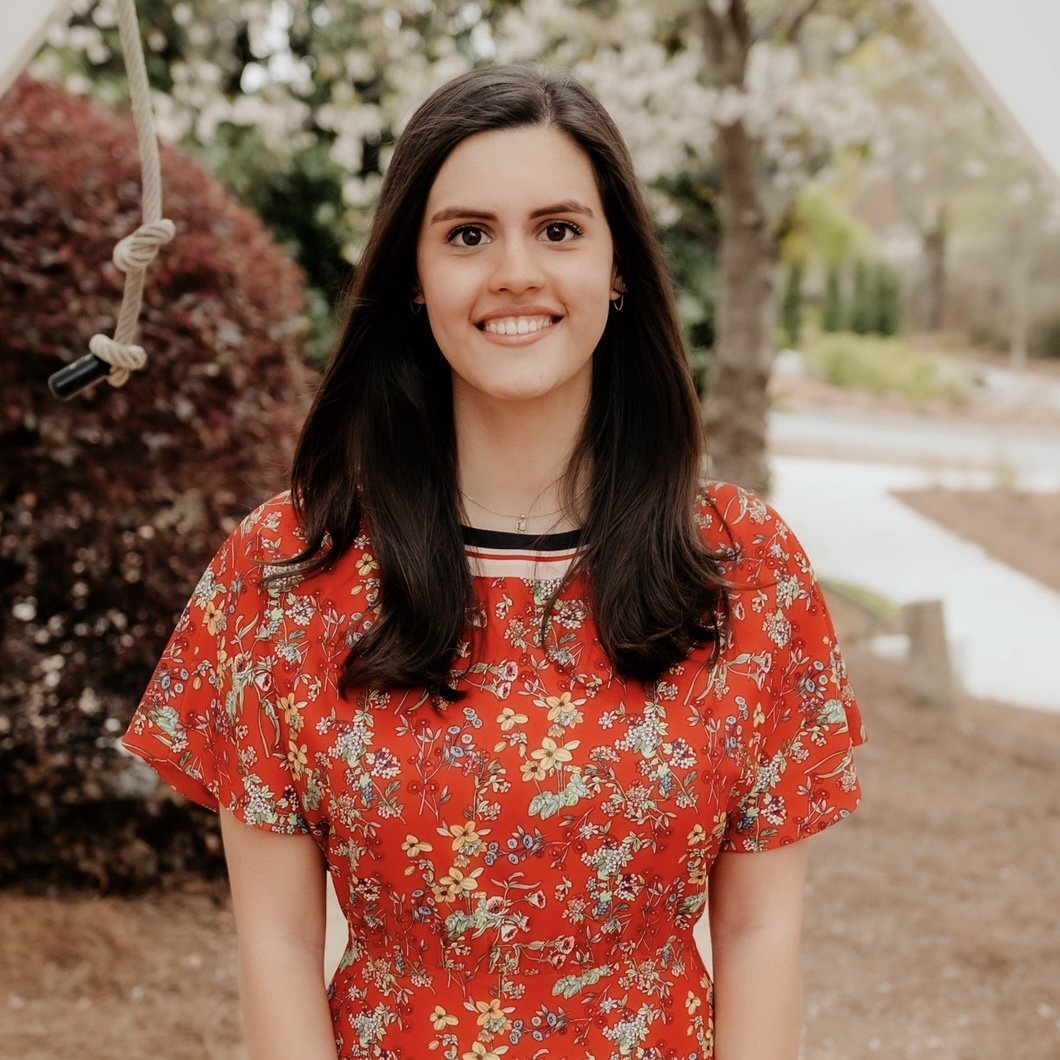
Nora is a second year medical student who has been involved with SCOOP since entering medical school. From the very beginning of her medical education, she noticed a gap in education surrounding how we care for incarcerated patients in healthcare settings in Atlanta. She joined SCOOP to work to bring knowledge to medical education settings in an attempt to equip future colleagues with the resources necessary to advocate for this medically vulnerable population. With a background in public health, Nora understands the intersection of health systems and individualized care, and knows that providers must care for disenfranchised patients far beyond the walls of the hospital. She is proud to be a part of an organization that strives to amplify the needs and voices of incarcerated people in Atlanta and beyond while fighting to illuminate the harms of systemic disenfranchisement.

-
Kam is an MD/PhD candidate with interests at the intersection of infectious disease, immunology, and community-engaged healthcare. Their scientific work centers on viral and vaccine immunology, bridging basic science, clinical medicine, and public health. He is also involved in medical education and narrative medicine, with scholarship informed and inspired by abolitionist thought, decarceration efforts, and health-centered alternatives to punitive systems. Through their involvement in SCOOP, they aim to integrate a passion for biomedical research with community-focused scholarship that reimagines infectious disease care beyond carceral frameworks.